Candlestick Confirmations: Reading What Price Action Is Actually Telling You
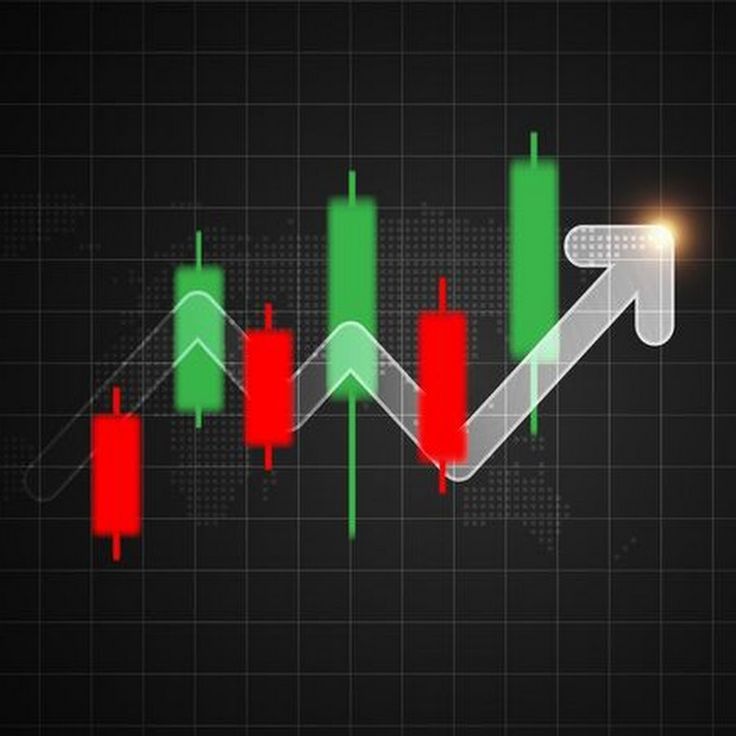
Most traders know what candlesticks look like. They can identify a green candle versus a red one. But recognizing individual candles isn't the same as reading what they mean—what they're confirming about buyer and seller strength, momentum shifts, and whether a level will hold or break.
Candlestick confirmations are how you validate your trade thesis before you enter. You're at support. The RSI is oversold. Your levels align. But are buyers actually stepping in? The candlesticks tell you.
This is how you stop entering too early and start entering with proof that the reversal or continuation is real.
Why Candlestick Confirmations Matter
A level on a chart is just a line until price action proves it matters. Support means nothing if buyers don't defend it. Resistance is irrelevant if sellers don't show up.
Candlestick patterns show you the psychological battle happening at that exact moment. Each candle represents a period of time where buyers and sellers fought for control. The shape, size, and placement of the candle tell you who won.
Without candlestick confirmation, you're guessing. You're hoping support holds because it held before. But price doesn't care about history—it cares about current supply and demand.
With candlestick confirmation, you have evidence. You can see buyers stepping in aggressively. You can see sellers getting rejected. You can see momentum shifting in real time.
This is the difference between entering on faith and entering on facts.
The Anatomy of a Candlestick
Before we dive into specific patterns, you need to understand what each part of a candlestick represents.
The body: The range between the open and close. A green (or white) body means price closed higher than it opened—buyers won. A red (or black) body means price closed lower than it opened—sellers won.
The wicks (shadows): The lines extending above and below the body. The upper wick shows the highest price reached during that period. The lower wick shows the lowest price reached.
Why wicks matter: Wicks represent rejection. A long lower wick means price dropped, but buyers pushed it back up—rejection of lower prices. A long upper wick means price spiked up, but sellers pushed it back down—rejection of higher prices.
The size and placement of the body and wicks tell you the story of that time period.
Bullish Reversal Patterns (Buy Confirmations)
These patterns appear at support levels in uptrends or at the bottom of downtrends. They confirm that sellers are exhausted and buyers are taking control.
1. Bullish Engulfing
What it looks like:
A small red candle followed by a large green candle that completely engulfs the previous red candle's body.
What it means:
Sellers were in control (red candle), but buyers stepped in so aggressively that they not only erased the selling pressure, they pushed price significantly higher. This shows a decisive shift in control.
When to use it:
At support levels or oversold RSI conditions. If you see a bullish engulfing candle forming at a key support zone, it's strong confirmation to enter a buy.
Strength level: High. This is one of the most reliable bullish reversal signals.
2. Hammer
What it looks like:
A small body (green or red) at the top of the candle with a long lower wick—at least 2-3 times the size of the body. Little to no upper wick.
What it means:
Price dropped significantly during the period (long lower wick), but buyers rejected those lower prices and pushed it back up near the opening price. Sellers tried to push lower and failed. Buyers are defending this level.
When to use it:
At support in an uptrend. The hammer confirms that buyers absorbed all the selling pressure and are protecting the level.
Strength level: Medium-High. More reliable when the body is green, showing buyers closed strong.
3. Bullish Pin Bar (Rejection Wick)
What it looks like:
Similar to a hammer but can appear with a slightly larger body. The key feature is the long lower wick showing rejection of lower prices.
What it means:
Sellers pushed price down, but buyers aggressively rejected those prices and bought the dip. The longer the lower wick relative to the body, the stronger the rejection.
When to use it:
At support levels, Fibonacci retracements, or volume extremes. A pin bar at the 50% Fib level tells you buyers are stepping in exactly where you expected.
Strength level: Medium-High. The longer the wick, the stronger the signal.
4. Morning Star (Three-Candle Pattern)
What it looks like:
Three candles in sequence:
- A large red candle (downtrend continuation)
- A small-bodied candle (indecision—can be red or green)
- A large green candle that closes well into the first red candle's body
What it means:
Sellers were in control (candle 1), then momentum stalled (candle 2), then buyers took over decisively (candle 3). This is a complete momentum reversal.
When to use it:
At major support zones or after extended downtrends. The morning star signals the bottom is in and buyers are regaining control.
Strength level: High. This is a strong reversal pattern when it forms at key levels.
Bearish Reversal Patterns (Sell Confirmations)
These patterns appear at resistance levels in downtrends or at the top of uptrends. They confirm that buyers are exhausted and sellers are taking control.
5. Bearish Engulfing
What it looks like:
A small green candle followed by a large red candle that completely engulfs the previous green candle's body.
What it means:
Buyers were in control (green candle), but sellers stepped in so aggressively that they erased the buying pressure and pushed price significantly lower. Control has shifted to sellers.
When to use it:
At resistance levels or overbought RSI conditions. A bearish engulfing at resistance confirms sellers are defending the level.
Strength level: High. One of the most reliable bearish reversal signals.
6. Shooting Star
What it looks like:
A small body (green or red) at the bottom of the candle with a long upper wick—at least 2-3 times the size of the body. Little to no lower wick.
What it means:
Price spiked higher during the period (long upper wick), but sellers rejected those higher prices and pushed it back down near the opening price. Buyers tried to push higher and failed. Sellers are defending this level.
When to use it:
At resistance in a downtrend. The shooting star confirms that sellers absorbed all the buying pressure and are protecting the level.
Strength level: Medium-High. More reliable when the body is red, showing sellers closed strong.
7. Bearish Pin Bar (Rejection Wick)
What it looks like:
Similar to a shooting star but can appear with a slightly larger body. The key feature is the long upper wick showing rejection of higher prices.
What it means:
Buyers pushed price up, but sellers aggressively rejected those prices and sold the rally. The longer the upper wick relative to the body, the stronger the rejection.
When to use it:
At resistance levels, Fibonacci retracements, or volume extremes. A bearish pin bar at resistance tells you sellers are stepping in exactly where you expected.
Strength level: Medium-High. The longer the wick, the stronger the signal.
8. Evening Star (Three-Candle Pattern)
What it looks like:
Three candles in sequence:
- A large green candle (uptrend continuation)
- A small-bodied candle (indecision—can be green or red)
- A large red candle that closes well into the first green candle's body
What it means:
Buyers were in control (candle 1), then momentum stalled (candle 2), then sellers took over decisively (candle 3). This is a complete momentum reversal.
When to use it:
At major resistance zones or after extended uptrends. The evening star signals the top is in and sellers are regaining control.
Strength level: High. Strong reversal pattern when it forms at key levels.
Continuation Patterns (Trend Confirmation)
These patterns appear during trends and confirm that the trend will continue after a brief pause. They're not reversals—they're confirmations that the dominant force is still in control.
9. Bullish Continuation Candles (in an Uptrend)
What it looks like:
Green candles with small lower wicks and little to no upper wicks. Bodies are relatively large, showing strong closes.
What it means:
Buyers are in full control. Price opened, moved higher with minimal resistance, and closed near the high. No significant selling pressure appeared.
When to use it:
After a pullback in an uptrend. If you're waiting to enter long on a retracement and you see strong bullish continuation candles forming, it confirms the uptrend is resuming.
Strength level: Medium. More confirmation when paired with other signals (RSI, levels, volume).
10. Bearish Continuation Candles (in a Downtrend)
What it looks like:
Red candles with small upper wicks and little to no lower wicks. Bodies are relatively large, showing strong closes.
What it means:
Sellers are in full control. Price opened, moved lower with minimal resistance, and closed near the low. No significant buying pressure appeared.
When to use it:
After a pullback in a downtrend. If you're waiting to enter short on a retracement and you see strong bearish continuation candles forming, it confirms the downtrend is resuming.
Strength level: Medium. More confirmation when paired with other signals.
Indecision Patterns (Proceed with Caution)
These patterns show neither buyers nor sellers are in control. The battle is undecided. Don't enter trades when you see these—wait for clarity.
11. Doji
What it looks like:
A candle with almost no body—open and close are nearly identical. Wicks can be long or short.
What it means:
Neither buyers nor sellers won. Price moved up and down but ended where it started. Indecision.
When to use it:
Don't enter on a doji alone. It signals uncertainty. However, a doji at a key level followed by a strong directional candle can signal the beginning of a reversal.
Strength level: Low alone. Medium when followed by strong directional movement.
12. Spinning Top
What it looks like:
A small body (green or red) with upper and lower wicks that are roughly equal in length.
What it means:
Buyers and sellers both tried to take control, but neither succeeded. Price is stuck in a tight range.
When to use it:
Signals indecision. If you see multiple spinning tops at a level, wait for a breakout candle in either direction before entering.
Strength level: Low. Wait for follow-through.
How to Use Candlestick Confirmations in Your Trading Process
Step 1: Identify your level (support, resistance, Fibonacci, volume extreme).
Step 2: Wait for price to reach that level.
Step 3: Watch the candlestick formation at the level.
- Is it showing rejection (long wicks in the opposite direction)?
- Is it showing engulfing strength (large body consuming prior candles)?
- Is it showing continuation (strong directional candles)?
Step 4: Only enter when you see confirmation.
Don't enter just because price touched your level. Enter when the candlestick proves buyers or sellers are defending it.
The Reserve Approach: Price Action as Proof
Levels, indicators, and Fibonacci are all predictive tools. They tell you where something might happen.
Candlesticks are confirmatory tools. They tell you what is actually happening right now.
Use predictive tools to identify potential setups. Use candlesticks to confirm the setup is valid before you enter.
A hammer at support after an oversold RSI reading? That's stacked confirmation. Enter the trade.
Support with no bullish candlestick confirmation? Wait. The level hasn't proven itself yet.
Price action doesn't lie. Learn to read what the candlesticks are telling you.
The Reality Check
Candlestick patterns aren't magic. A hammer doesn't guarantee price will reverse. A bearish engulfing doesn't guarantee price will fall.
But they significantly increase your probability of success when combined with other confirmations—levels, RSI, volume, multi-timeframe alignment.
The best trades happen when everything aligns: you're at a key level, momentum confirms it, and the candlesticks prove that buyers or sellers are actually stepping in.
Learn to recognize these patterns. Wait for confirmation. Enter when price action validates your thesis.
%20Instagram%20%E2%80%A2%20Messages.jpg)
.webp)