
How to Build a Weekly Schedule That Actually Supports Your Goals (and Your Life)
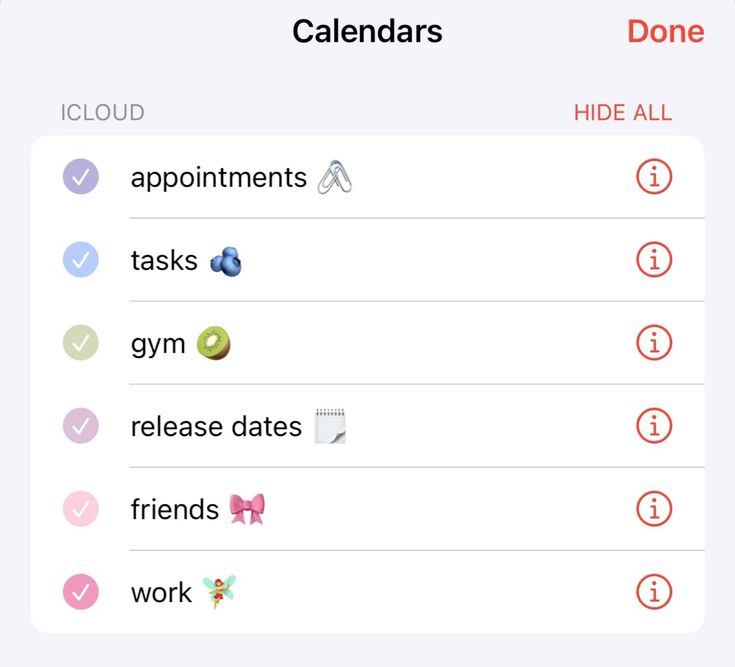
Okay, I want to talk about this because it's genuinely one of the biggest shifts I've made in how I run my life. Whether you're a student trying to balance classes and a social life, a girl freelancing on the side, or someone building a full career — the way you structure your week is everything. I used to think I just needed more discipline. Turns out, I needed a better system.
Because here's the thing. Being busy and being productive are not the same. And most of us are running on a calendar that was never really designed with intention — it just filled itself up.
So if you've been feeling overwhelmed, behind, or like you can't find time for the things that actually matter to you (the gym, the side hustle, the hobby, the rest), this one's for you.
Start with the week, not the day
One thing I noticed early on is that planning day by day keeps you reactive. You're always responding to what's in front of you instead of building toward something bigger.
Every Sunday — or Friday afternoon if I'm feeling especially type A — I sit down with a matcha and map the week ahead before it maps me. I look at what's non-negotiable (class, work, meetings, deadlines), what's aspirational (the deep work, the personal projects), and what's restorative (workouts, self-care, downtime).
This one ritual changed everything. You walk into Monday knowing exactly where your energy is going, and that alone feels like a small act of self-respect.
The brain dump method
This is the part I swear by, and it's honestly the simplest trick I can give you.
Before I touch my calendar, I write down a long, running list of every single thing I need to get done that week. And I mean everything. Big deadlines, small errands, the text I've been meaning to send, the laundry, the workout, the email I've been avoiding. Nothing lives in my head anymore.
Once it's all out on paper, I go through the list and start segmenting. What's urgent? What has a hard deadline? What's important but flexible? What can wait until next week?
From there, I assign each task to a specific day based on priority and deadline. The things that have to happen early in the week go on Monday or Tuesday. The deeper work gets placed on the days I know I'll have the most focus. Admin, errands, and softer tasks get grouped together so I'm not switching gears constantly.
The magic here is that you're no longer guessing what to work on. You're following a plan you made when your head was clear.
Anchor your week with themes
Instead of trying to do everything, every day, give each day a personality.
For me, it looks something like this. Mondays are for strategy and planning — I batch content, review goals, and set the tone for the week. Tuesdays and Wednesdays are my deep work days (client work, writing, real estate, the meaty stuff). Thursdays are collaborative — calls, coffee meetings, networking, showings. Fridays I leave softer for wrap-ups, admin, and creative play.
If you're a student, this might look like: Monday and Tuesday for readings and assignments, Wednesday for group projects or study sessions, Thursday for catching up on anything you fell behind on, Friday for planning next week and resetting your space.
Themed days remove the mental clutter of constantly switching gears. Your brain knows what mode it's in, and the work gets noticeably better because of it.
Block your time in three categories
When you're building your calendar, think in three buckets.
Productivity blocks. These are your focused work sessions — the ones where you close the tabs, silence the phone, and actually move the needle. Protect them like they're paid meetings. Because, in a way, they are.
Creative blocks. This is the space to think, write, vision-board, brainstorm, shoot content, play. Creativity doesn't happen in the gaps — it happens when you give it a seat at the table. I schedule at least two creative blocks a week, and I treat them just as seriously as a client call.
Downtime blocks. Yes, you schedule these too. A Pilates class at 10am, a phone-free walk at sunset, a Sunday where nothing is on the calendar on purpose. Rest isn't a reward for finishing your to-do list. It's part of the list.
Protect your mornings (or whenever you're sharpest)
Your best hours should go to your most important work — not your inbox, not TikTok, not replying to texts.
For me, that's the first two hours of the day. I don't touch emails, I don't open Instagram, I don't respond to anything that isn't on fire. I use that window for whatever's moving my life forward most: writing, deep client work, planning Reserve content, working on a deal.
If you're a student, this might be the two hours before class when your brain is clearest. If you're a night owl, it might be 9pm to 11pm when the house is quiet. Figure out when your brain is at its sharpest and guard those hours like they're sacred. Because they are.
Leave space for the woman you're becoming
This is the part no one talks about. A good calendar isn't just about getting things done — it's about making room for the version of you that you're working toward.
That might mean booking the workout class even when you're tired. Keeping Sunday mornings quiet for journaling. Leaving a recurring block on Wednesday afternoons for the course you keep saying you'll take, the business idea you keep sitting on, the book you keep meaning to read.
The goals you have for yourself won't happen in your "free time." There's no such thing. You have to give them a place on the calendar, the same way you would anything else that matters. Because you matter.
A few small things that make a big difference
A few habits that have genuinely changed how my weeks feel. Reviewing the week every Sunday, even for 15 minutes. Color-coding the calendar by category (work, school, creative, personal, rest) so I can see the balance at a glance. Writing down the top three priorities for the week before anything else gets added. Ending the work week with a short reflection — what worked, what didn't, what I want to shift.
None of this is revolutionary. But doing it consistently is where it all clicks.
The takeaway
A well-structured week isn't about squeezing more out of yourself. It's about finally giving your goals, your work, your rest, and your creativity a real place to live.
Try the brain dump on Sunday. Theme your days. Protect your best hours. See how the week feels after that.
I think you'll be surprised how much lighter everything gets once you stop carrying it all in your head.